

Your region has been set to
 Americas
Change region
Close
Your region has been set to
Americas
Change region
Close


November 19 2026 - Blog
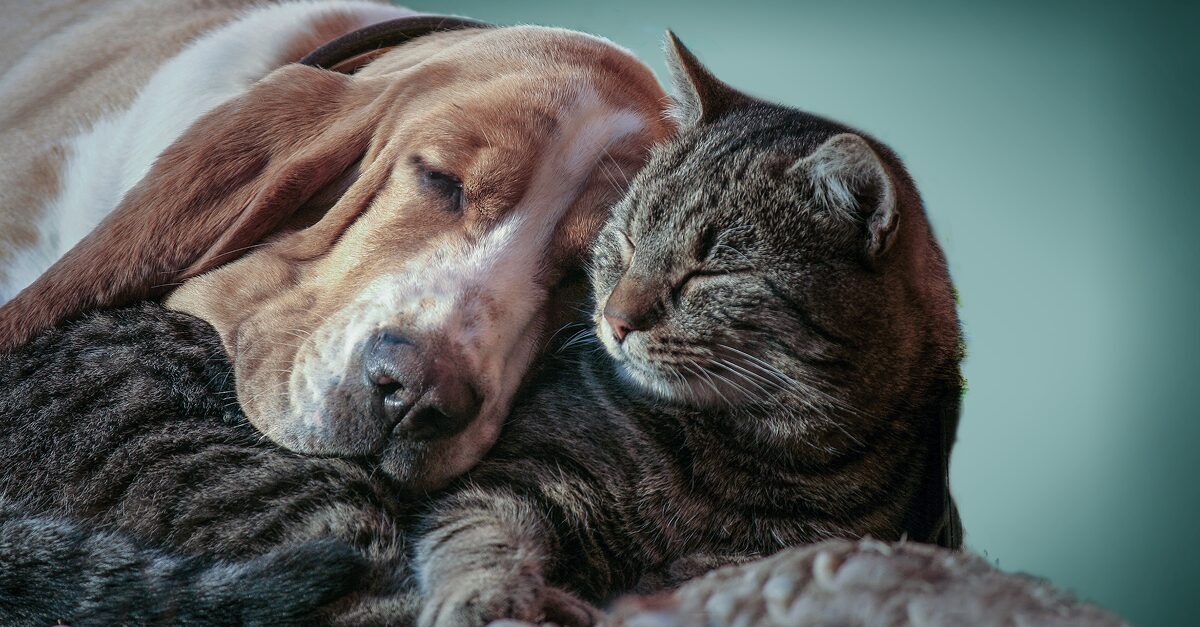
The life expectancy of cats and dogs has been increasing in recent years due to higher-quality food and better veterinary care. But there’s more to growing old than just reaching a high age. Aging pets need more specific nutrients to stay in good health, remain active, and live comfortably. Pet food manufacturers need to carefully select the right ingredients for senior pet nutrition. In this blog, we provide some considerations to help you out.
As cats and dogs become older, they may experience different physical, physiological, metabolic, and behavioral changes. This can result in many issues, such as decreased digestibility, or declining skin, coat, or joint health.
As pets get older, their appetite will decrease and they will also have a reduced ability to digest and absorb nutrients. Cats older than 13 years, for example, run a serious risk of becoming underweight by losing up to one third of lean body mass (LBM). Both senior cats and dogs require sufficient intake of high-quality, highly digestible protein to prevent LBM loss, highly digestible nutrients to help support the aging digestive system, and enhanced levels of antioxidants to support the declining immune system.
Typically, fresh or minimally processed ingredients, such as spray-dried proteins or proteins processed through other low-temperature drying steps, have higher digestibility than rendered meals. But there can also be a very big difference in digestibility between different rendered meals. Protein sources with the highest digestibility include hydrolyzed fish proteins (like our salmon hydrolysate), hydrolyzed animal proteins (such as our hydrolyzed chicken), fresh meat of good quality, and highly digestible vegetable proteins, such as potato protein.
As pets get older, their joints might start to show some wear. Studies have shown that the inclusion of omega-3 helps with inflammatory problems in the joints, improves clinical symptoms in cats and dogs with osteoarthritis and reduces the severity of cachexia. The omega-3 fatty acids eicosapentaenoic acid (EPA) and docosahexaenoic acid (DHA) are the most directly involved in physiological processes in cats and dogs. Both EPA and DHA can be converted into anti-inflammatory compounds that help reduce inflammation and cartilage breakdown in pets with osteoarthritis.
Inclusion of omega-3 also offers other benefits. EPA and DHA support aging brains, improve skin and coat condition, and help in the prevention and treatment of heart and bladder diseases. Manufacturers can achieve these benefits by including EPA and DHA rich ingredients in their pet food, such as high omega 3 fish oil and salmon oil, krill oil or algae-based oil or biomass.
Senior pets require high-quality fats with good digestibility and a low percentage of free fatty acids (FFA), which are not oxidized, have a good fatty acid profile, and an omega-6 to omega-3 ratio of around 4 to 1. It is another reason why EPA and DHA rich ingredients are a valuable solution for senior pet food.
Aging pets can also benefit from slightly increased fiber levels in pet food. A healthy gut and a good digestive system help to dilute food energy density and prevent weight gain, which is particularly important for senior pets. Senior pets require less energy intake, while particularly pets who have just reached the senior stage will still have the same appetite as before. A healthy diet for cats and dogs contains a mix of both soluble and insoluble, fermentable and non-fermentable dietary fibers. For example, our oat beta-glucan PromOat is a valuable ingredient for fiber inclusion.
Pet food can provide a valuable supporting role in the wellbeing of aging pets. In this blog, we outlined some considerations senior pet food formulations and provide some solutions. For more in-depth explanations and additional solutions, like supplementing collagen intake, as well as the benefits of specific ingredients, we recommend reading our white paper on senior pet nutrition.
Do you have any questions? Don’t hesitate to contact us!


Marine ingredients have long been valued in pet food as sources of the omega-3 fatty acids EPA and DHA, which...
Read more
Innovation is an integral part of pet food manufacturing and development. Market trends evolve, consumer expectations shift, and every product...
Read more
Pet parents increasingly expect their pet's diet to support healthy aging and long-term wellbeing. In contrast to some years ago,...
Read more